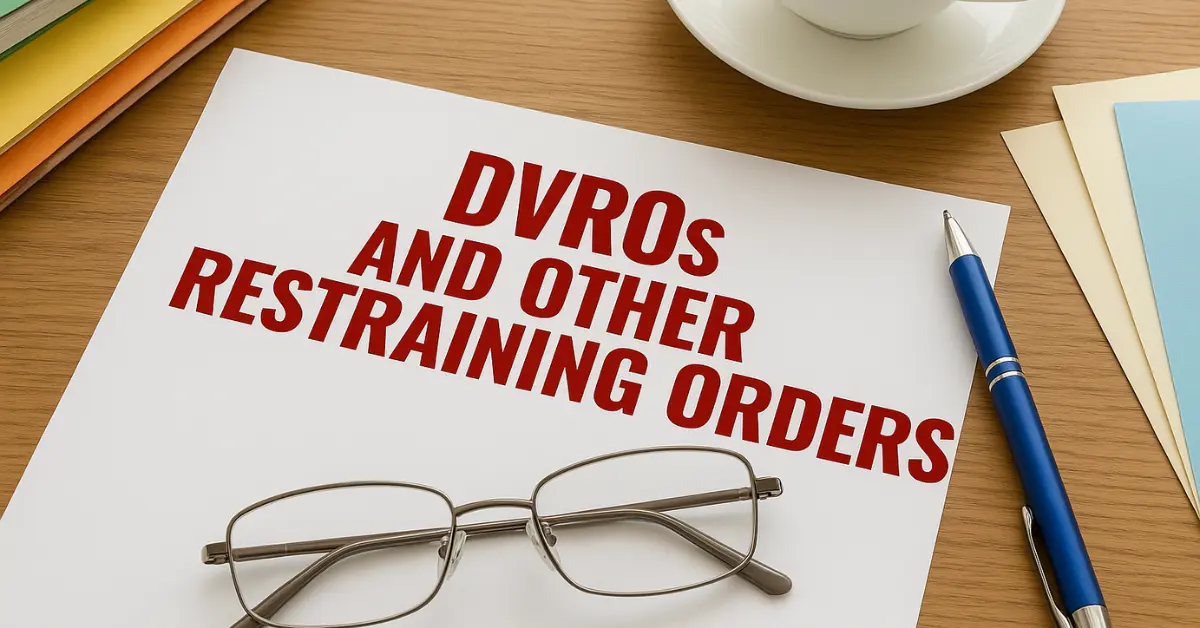
Domestic Violence Restraining Orders are legal court orders that help protect people from abuse, threats, or harassment by someone close to them. If you are facing physical violence, emotional abuse, stalking, or threats from a partner, ex-spouse, family member, or someone you live with, this legal protection can help keep you safe.
A restraining order can stop the abuser from contacting you, coming near your home, workplace, or children. In many cases, the court can issue temporary protection quickly, sometimes the same day you apply. Understanding how protection orders work, who can apply, and what rights you have is very important if you are in danger.
This guide explains everything in simple words so you can make safe and smart decisions.
Table of Contents
What is a Domestic Violence Restraining Order?
Legally, a Domestic Violence Restraining Order (DVRO) is defined as a court order issued to protect victims of domestic violence from further harm.
In states like California, DVROs are governed by California Family Code § 6200, which outlines the objectives of such orders, including ensuring safety, preventing harassment, and offering legal remedies.
The primary goals of a DVRO are to safeguard victims, prohibit contact with abusers, and provide specific legal protections such as temporary custody arrangements or stay-away orders.
Who Can File for a DVRO?
Eligibility to file for a DVRO largely depends on the relationship between the petitioner and the accused. According to the California Code of Civil Procedure, DVROs can be filed by individuals in specific relationships, such as:
- Spouses or ex-spouses.
- Cohabitants or former cohabitants.
- Individuals in a dating relationship.
- Close family members, including parents, children, and siblings.
California’s family courts place particular emphasis on the relationship criteria to determine eligibility, ensuring the law is appropriately applied to protect those most at risk.
Legal Grounds for a DVRO
A DVRO can be requested when certain actions justify intervention, including:
- Physical abuse: Intentional injury or damage to the person who was hurt.
- Threats of harm: Verbal or non-verbal threats that cause fear.
- Harassment or stalking: Persistent unwanted contact or surveillance.
Evidence plays a critical role in securing a DVRO. Documents like police reports, medical records, or sworn testimonies from witnesses strengthen the victim’s case, providing the court with a clear understanding of the abuse’s severity.

Types of Domestic Violence Restraining Orders
There are a few different kinds of DVROs, and each one is designed to cater to the extent of the victim’s needs in terms of both time and urgency:
- Emergency Protective Orders (EPOs)
Issued by law enforcement officers, these orders provide immediate, short-term protection, often lasting up to seven days.
- Temporary Restraining Orders (TROs)
These orders offer protection until the court hearing and usually last between 20 and 25 days.
- Permanent Restraining Orders
After a court hearing, these orders can extend protection for up to five years.
The type of DVRO granted depends on the circumstances and evidence provided during the legal process.
The Process of Filing a DVRO
Filing a DVRO involves several critical steps:
- Obtain and fill out forms
Victims must complete specific forms, such as DV-100 in California, detailing the abuse they’ve experienced.
- File the forms
The completed paperwork is submitted to the family court.
- Service of process
The accused individual must be formally notified of the restraining order and hearing date.
- Attend the court hearing
Both parties present their cases before a judge, who determines whether to grant the order.
Having legal counsel or support from organizations like the National Domestic Violence Hotline can significantly ease the filing process and increase the chances of success.
Legal Protections Offered by a DVRO
A DVRO provides several key protections, such as:
- No-contact orders
Preventing communication between the abuser and the victim is essential for safety and protection.
- Stay-away orders
Imposing restrictions on the offender’s proximity to the victim.
- Temporary child custody or visitation rulings
Ensuring the safety of children involved.
Violations of a DVRO are taken seriously and can result in criminal charges under Penal Code § 273.6, including fines and imprisonment.
Differences Between DVROs and Other Restraining Orders
Domestic Violence Restraining Orders (DVROs) differ from other types of restraining orders primarily in their focus on the relationship between the parties involved.
DVROs are specifically designed for cases involving intimate partners, close relatives, or household members where a personal connection is legally significant.
On the other hand, what is a restraining order against civil harassment? It addresses conflicts between individuals who do not share a close relationship, such as neighbors, acquaintances, or strangers.
Similarly, workplace restraining orders are intended to protect employees from threats or harassment occurring in their professional environment.
The relationship criteria are critical in determining the appropriate type of restraining order, as they influence the legal framework and protections available to the petitioner. This distinction ensures that individuals receive the most relevant legal remedy for their circumstances.
Resources and Support
There are a variety of resources available to victims of domestic violence, including the following:
- National Domestic Violence Hotline
1-800-799-7233, offering 24/7 support and guidance.
- State-specific resources
For example, California Self-Help Centers provide assistance with filing DVROs and understanding the legal process.
Seeking both legal and emotional support is essential for victims to rebuild their lives and achieve long-term safety.
Further Readings
Legal Summary & Guidance
Domestic Violence Restraining Orders are powerful legal tools designed to protect victims of abuse from further harm. They can prevent contact, remove an abuser from the home, and provide immediate safety through court enforcement. If you are facing domestic abuse, harassment, or threats, knowing your legal options can make a life-changing difference. Always seek legal advice or contact local authorities to ensure your safety and understand your rights.