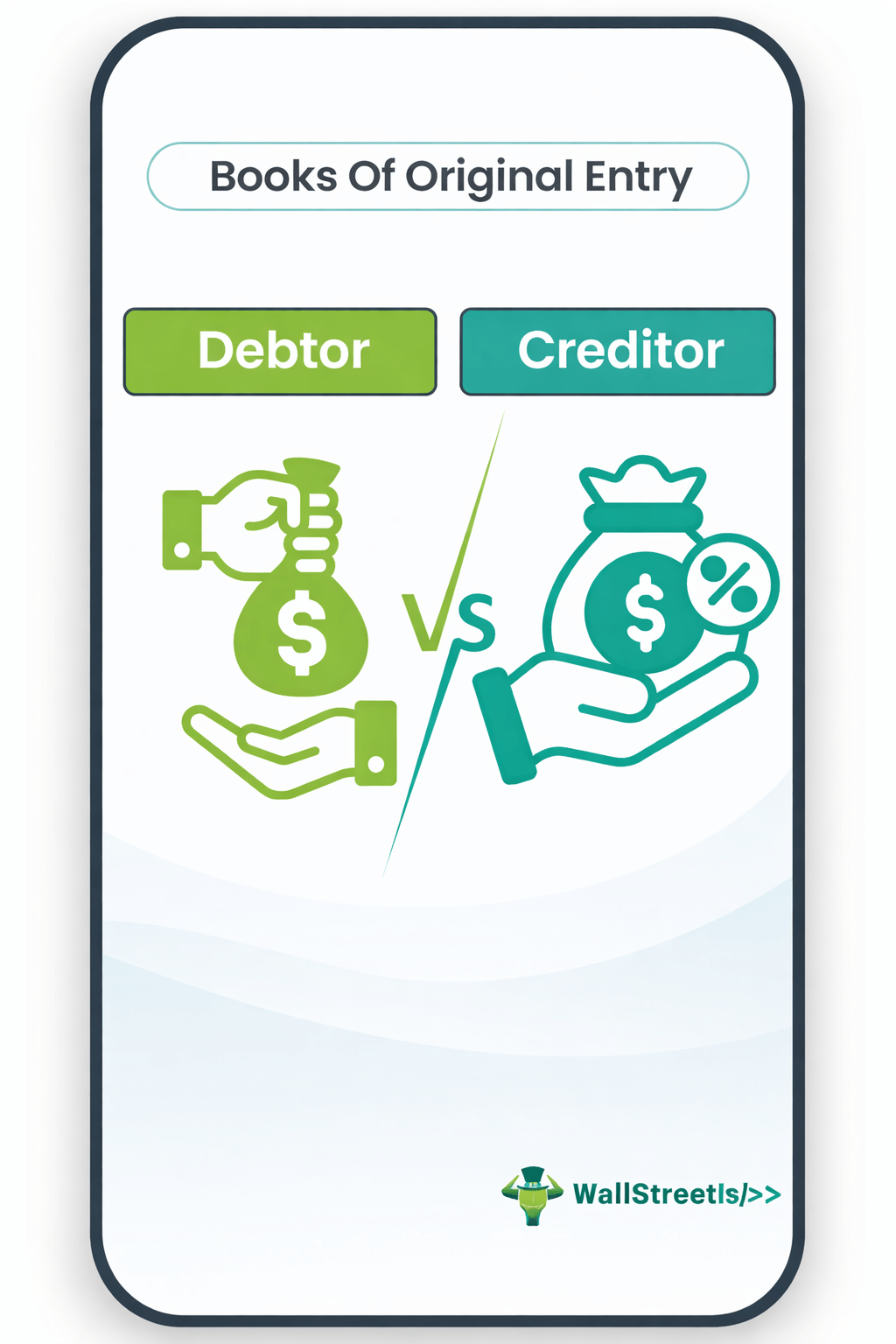
Money borrowing and lending are common in daily life. From home loans to credit cards, every credit deal involves two sides. Understanding creditor vs debtor helps you know your role and responsibilities when money is involved.
In simple words, a creditor is the one who lends money, while a debtor is the one who borrows it. Knowing how this relationship works helps you avoid financial mistakes and make smarter money decisions.
In this guide, we’ll explain the creditor vs debtor difference in easy language, share real-life examples, and help you understand both roles clearly.
Table of Contents
What Is a Creditor?

A creditor is a person or organisation that lends money or provides goods or services on credit, expecting repayment later.
Most creditors are financial institutions, but individuals can also act as creditors.
Common Examples of Creditors
- Banks giving home or personal loans
- Credit card companies
- Microfinance institutions
- Business suppliers offering goods on credit
- Individuals lending money to friends or family
What Does a Creditor Do?
A creditor usually:
- Reviews borrower applications
- Sets loan terms and interest rates
- Decides repayment schedules
- Collects monthly payments
- May report payment history to credit bureaus
Because they provide money upfront, creditors face the risk that borrowers might not repay. That’s why they check credit scores and financial history first.
What Is a Debtor?

A debtor is a person or business that borrows money and agrees to pay it back over time.
Most people act as debtors at some point in life—especially when buying homes, cars, or using credit cards.
Common Examples of Debtors
- Someone is taking a home mortgage
- Students using education loans
- Business owners borrowing startup capital
- Consumers using credit cards
- Individuals taking personal loans
Responsibilities of a Debtor
A debtor must:
- Repay borrowed money on time
- Pay interest charges if applicable
- Follow the loan agreement terms
- Avoid default or late payments
If payments are missed, debtors may face penalties, credit score damage, or legal action.
Creditor vs Debtor: Key Differences Explained

The difference between creditor vs debtor becomes very simple when you see who gives money and who receives it.
| Feature | Creditor | Debtor |
|---|---|---|
| Role | Lends money | Borrows money |
| Financial Position | Expects repayment | Owes money |
| Risk | Risk of not being paid | Risk of falling into debt |
| Examples | Banks, lenders, credit companies | Consumers, businesses, students |
| Responsibility | Provide funds legally | Repay according to the agreement |
Without a creditor, borrowing cannot happen, and without a debtor, lending makes no sense. Both depend on each other.
Real-Life Example of Creditor and Debtor Relationship
Imagine you buy a home using a mortgage loan.
Here’s how the relationship works:
- You apply for a mortgage.
- The bank reviews your income and credit history.
- The bank approves the loan.
- The bank pays the seller.
- You repay the bank monthly with interest.
In this case:
- The bank becomes the creditor.
- You become the debtor.
Once you repay the full loan, ownership becomes yours.
If you refinance, a new creditor pays off the old one, and your repayment continues under new terms.
Types of Credit Relationships You See Daily
The creditor vs debtor relationship appears in many financial situations.
Common Credit Types
- Credit cards (revolving credit)
- Home mortgages
- Auto loans
- Student loans
- Business loans
- Buy-now-pay-later services
Each case involves lending and borrowing under agreed repayment terms.
Why Understanding Creditor vs Debtor Matters
Knowing the creditor vs debtor difference helps you:
1. Manage Debt Better
Understanding loan terms helps avoid late payments and financial stress.
2. Protect Your Credit Score
Timely repayment builds a strong credit history.
3. Avoid Over-Borrowing
Smart borrowing prevents future money problems.
4. Make Safe Lending Decisions
If you lend money, you understand the risks involved.
Financial awareness leads to better money habits.
Tips for Borrowers (Debtors)
If you act as a debtor, follow these tips:
- Borrow only what you can repay
- Compare interest rates before applying
- Understand repayment terms clearly
- Pay instalments on time
- Keep debt within budget limits
- Build emergency savings
Responsible borrowing protects financial health.
Tips for Lenders (Creditors)
If you lend money personally or through business:
- Check the borrower’s repayment ability
- Use written agreements
- Set clear repayment schedules
- Charge reasonable interest if applicable
- Prepare for possible delays
Careful lending reduces financial risk.
Common Mistakes People Make About Credit Roles
Many people misunderstand financial roles. Common mistakes include:
- Thinking banks are always debtors
- Ignoring loan terms before signing
- Borrowing beyond income capacity
- Lending money without written proof
- Missing payment deadlines
Understanding the creditor vs debtor relationship helps avoid these errors.
Why Understanding Creditor vs Debtor Matters
Knowing the creditor vs debtor difference helps you:
1. Manage Debt Better
Understanding loan terms helps avoid late payments and financial stress.
2. Protect Your Credit Score
Timely repayment builds a strong credit history.
3. Avoid Over-Borrowing
Smart borrowing prevents future money problems.
4. Make Safe Lending Decisions
If you lend money, you understand the risks involved.
Financial awareness leads to better money habits.
Tips for Borrowers (Debtors)
If you act as a debtor, follow these tips:
- Borrow only what you can repay
- Compare interest rates before applying
- Understand repayment terms clearly
- Pay instalments on time
- Keep debt within budget limits
- Build emergency savings
Responsible borrowing protects financial health.
Tips for Lenders (Creditors)
If you lend money personally or through business:
- Check the borrower’s repayment ability
- Use written agreements
- Set clear repayment schedules
- Charge reasonable interest if applicable
- Prepare for possible delays
Careful lending reduces financial risk.
Common Mistakes People Make About Credit Roles

Many people misunderstand financial roles. Common mistakes include:
- Thinking banks are always debtors
- Ignoring loan terms before signing
- Borrowing beyond income capacity
- Lending money without written proof
- Missing payment deadlines
Understanding the creditor vs debtor relationship helps avoid these errors.
Further Readings,
Can someone fix and ticket this
Final Thoughts
The difference between a creditor vs debtor is straightforward: one lends money, and the other borrows it. Yet, this simple relationship affects everyday financial life in big ways.
Most people play the debtor role when using loans or credit cards. But you might become a creditor when lending money to someone else.
No matter which side you’re on, always understand the agreement, plan repayments wisely, and avoid financial decisions that could harm your future.
Smart credit use builds financial freedom, while careless borrowing creates stress. Choose wisely.