

What Is Open Adoption? It is an adoption arrangement where birth parents and adoptive families choose to stay in contact after the child is placed in a new home. This contact can include letters, photos, phone calls, or even in-person visits, depending on what everyone agrees is best for the child. Today, many families prefer open adoption because it helps children understand their background while allowing birth parents and adoptive parents to build a healthy, respectful relationship.
In this guide, you’ll learn the meaning of open adoption, its benefits, and how the adoption process works today. We’ll also explain common questions about birth family contact, adoption agreements, and how open communication supports a child’s emotional well-being, helping families make informed and confident decisions.

What is Open Adoption?
Open adoption is a legal arrangement where there is ongoing communication and contact between the birth parents and the adoptive parents.
In an open adoption, both sets of parents agree to some level of transparency, which might include sharing information about the child’s health, development, and family background. The level of openness can vary from regular updates to face-to-face meetings, depending on the wishes of the involved parties.
In contrast, a closed adoption is one where there is no exchange of information or contact between the birth parents and adoptive parents. Once the adoption is finalised, the birth parents’ identities are typically sealed, and no further communication is allowed.
A semi-open adoption lies between the two extremes, with contact typically occurring through intermediaries such as adoption agencies but not directly between the birth and adoptive parents. In these cases, identifying information is often kept confidential, though updates about the child may still be shared.
Legal Framework of Open Adoption
The legal framework governing open adoption varies significantly from state to state in the United States. In many states, adoption laws are largely governed by state statutes, meaning there is no single, uniform standard that applies nationwide.
For example, the California Family Code Section 8800-8803 deals with adoption laws specific to California, including the enforceability of post-adoption contact agreements.
One important legal issue in open adoption is adoption consent. Birth parents must legally consent to the adoption, and in open adoption, they must also consent to the level of ongoing contact they wish to maintain with the child and the adoptive parents.
Consent is a significant legal matter, and in some states like Florida, there are specific adoption consent laws that outline the conditions under which birth parents can revoke their consent.
Another critical aspect of the open adoption process is the post-adoption contact agreement. These agreements outline the terms of communication between birth and adoptive families after the adoption is finalised.
However, such agreements may not be enforceable in every state. For instance, New York has laws that do not allow post-adoptive contact agreements to be legally binding, whereas in California, the law may enforce such agreements in certain cases.
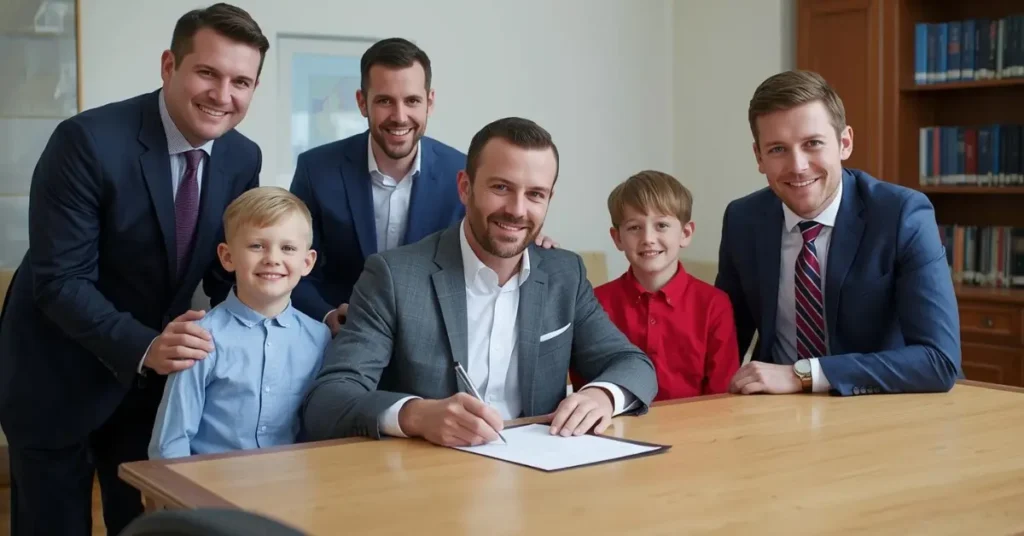
The Legal Process of Open Adoption
The process of open adoption involves several critical legal steps, each of which ensures that the adoption is completed legally and in accordance with the best interests of the child.
One of the first steps in the legal process is choosing open adoption, which involves a decision by both birth parents and adoptive parents.
This decision requires careful consideration of the child’s best interests, the child’s emotional needs, and the legal requirements of the adoption process. Open adoption also requires legal consent from both birth parents, which is typically done in writing.
A home study is another legal requirement that adoptive parents must undergo. This is an evaluation conducted by a social worker or adoption agency to ensure that the prospective adoptive parents are suitable to raise the child. This process includes background checks, interviews, and home visits to assess the parents’ readiness for adoption.
Once these steps are completed, the adoption can be finalised in a court of law. Adoption finalisation is a crucial legal step where a judge formally transfers parental rights to the adoptive parents. In the case of open adoption, the court may also ensure that the post-adoption contact agreements are recognised.
Adoption agencies play an important role throughout the open adoption process. These agencies facilitate communication between birth and adoptive families, ensure that all legal steps are taken, and provide support to both parties as they navigate the adoption process. Agencies also help create and enforce the terms of the post-adoption contact agreements.
Legal Rights of Birth Parents in Open Adoption
Birth parents in an open adoption have specific legal rights, especially regarding consent and post-adoption contact. In an open adoption, birth parents can legally choose the level of contact they wish to maintain with their child after the adoption is finalised.
This could range from periodic letters and updates to face-to-face meetings. Parents’ legal rights in these situations ensure they have a voice in the process, protecting their desires for ongoing communication.
One key issue in open adoption is birth parent consent. Birth parents must agree to the adoption and, in the case of open adoption, agree to the level of future contact with the adoptive parents. Some states, like Florida, have laws that specify the revocation of consent can occur within a limited time after the birth parents sign the adoption agreement.
If you’re considering adopting a child or thinking about adopting your grandchildren, what should you consider? It’s important to understand how consent laws and other factors can impact your decision.
In addition to contact rights, birth parents also have certain privacy rights. Birth parents can request that their identities remain confidential, although, in many open adoptions, the adoptive parents and birth parents may share certain identifying information, such as medical history or family background.
This aspect of open adoption raises significant concerns about balancing privacy with the child’s best interests.
Legal Rights of Adoptive Parents in Open Adoption
Adoptive parents also have specific legal rights in open adoption, especially regarding communication and contact with birth parents. They are legally entitled to communicate with birth parents and maintain a relationship with the child’s birth family, depending on the terms of the adoption agreement.
These rights are typically detailed in the open adoption agreement and are intended to support the child’s emotional and psychological well-being by maintaining their connection to their biological family.
Legal protections are in place to ensure that adoptive parents’ parental rights remain intact, even in open adoption scenarios. Adoption laws guarantee that adoptive parents are recognised as the child’s legal guardians, which means they have full custody rights and authority to make decisions for the child.
This protection ensures that birth parents cannot influence or challenge the adoption once it is finalised, as long as the adoptive parents comply with the agreed-upon terms, including any custody agreements that were made during the adoption process.
Benefits and Challenges of Open Adoption (Legal Perspective)
Open adoption presents several legal benefits, particularly for the child.
One of the primary benefits is the child’s psychological and emotional well-being, as studies suggest that children in open adoptions tend to fare better emotionally because they have ongoing access to their birth families and are not left with unanswered questions about their origins.
From a legal standpoint, open adoption allows for ongoing medical history updates, which can be crucial for the child’s future health. This access to information about inherited conditions or family medical history can help adoptive parents make informed healthcare decisions for the child.
However, there are also significant legal challenges. One major issue is the enforceability of open adoption agreements.
In some states, these agreements are not legally binding, meaning that if a birth parent or adoptive parent wishes to discontinue contact, there may be no legal recourse to enforce the terms of the agreement.
Conflicts can arise if the expectations of the birth or adoptive parents change, leading to legal disputes that may require court intervention.
Another challenge is the breach of contract agreements. Suppose a birth or adoptive parent does not comply with the agreed-upon terms. In that case, the other party may seek legal action, which could result in a lengthy and emotionally difficult legal battle.

Additional Legal Considerations in Open Adoption
In addition to the standard legal considerations, open adoption also raises cultural and religious concerns.
Families may have specific traditions or beliefs that influence the level of openness they are comfortable with. Adoption laws in some states take these factors into account, allowing for flexibility in the adoption process to accommodate the wishes of all parties involved.
Children’s legal rights are also an important consideration. In open adoption, the child retains the right to know their biological identity and maintain relationships with their birth family.
This is particularly significant in cases where the child is adopted across cultural or national borders, as maintaining ties to their heritage can be important for their sense of identity.
International adoption introduces additional complexity, as some countries have restrictive laws regarding post-adoption contact. In these cases, open adoption agreements may not be possible, and adoptive parents may need to adhere to stricter legal guidelines.
Enforceability and Modification of Open Adoption Agreements
The enforceability of open adoption agreements varies by state. In some states, like California, open adoption agreements can be enforced in court if a party fails to comply with the terms of the contract. In contrast, states like New York do not allow post-adoption contact agreements to be legally binding.
Adoptive parents and birth parents may also seek to modify open adoption agreements over time, especially as the child grows and their needs change. The legal process for modifying these agreements varies by state but typically requires court approval.
Legal Summary & Guidance
Open adoption is a complex yet beneficial model that allows for ongoing relationships between adoptive and birth families. Understanding the legal rights of all parties involved—birth parents, adoptive parents, and children—is crucial for ensuring a successful adoption experience.
State laws and court rulings play a major role in shaping the outcome of these arrangements, so adoptive parents and birth families need to consult legal professionals before embarking on an open adoption journey. It’s important to note that open and closed adoptions differ in California, and understanding these differences can help guide the decision-making process.
As open adoption continues to grow in popularity, it is important to stay informed about legal developments and to recognise that every adoption case is unique. Consulting an adoption attorney or agency ensures that the adoption process is legally sound and that the rights of all parties are respected.