
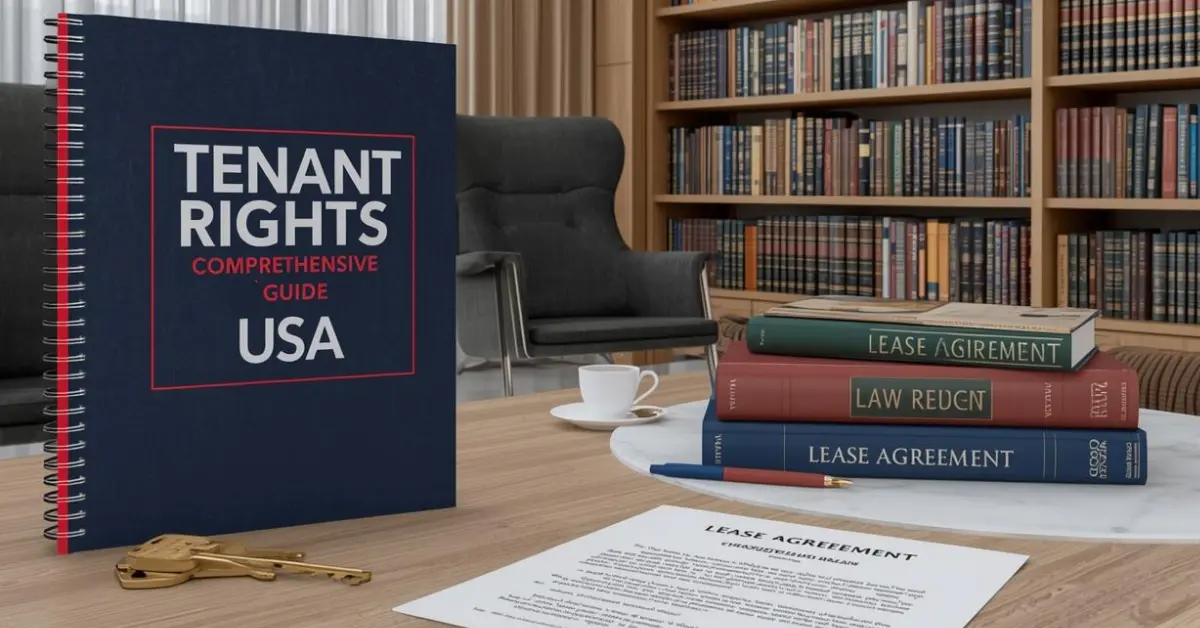
Occupancy Rules and Tenant Rights in the USA are important for anyone renting a home, apartment, or shared property. These rules determine how many people can legally live in a rental unit, while tenant rights protect renters from unfair treatment, unsafe living conditions, or unlawful eviction. Whether you are a first-time renter or have years of renting experience, knowing your legal protections can help you avoid disputes and make informed housing decisions.
In the United States, occupancy laws are often based on local housing codes, federal fair housing laws, and lease agreement terms. At the same time, tenant rights cover important issues such as security deposits, landlord responsibilities, eviction procedures, habitability standards, and anti-discrimination protections. This guide will break down these concepts in simple terms so renters can better understand their housing rights and responsibilities.
Defining Key Terms
In the realm of rental housing, it’s crucial to distinguish between tenants and occupants. A tenant is an individual who has signed a lease agreement, thereby assuming legal responsibility for the property, including obligations such as paying rent and maintaining the premises.
In contrast, an occupant resides in the property without holding the same legal responsibilities; they do not have a contractual relationship with the landlord and are not directly accountable for lease obligations. This distinction is vital for landlords to manage their properties effectively and to avoid potential legal complications.
Occupancy Rules and Tenant Rights in the USA. Another fundamental concept is occupancy limits, which refer to the maximum number of individuals legally permitted to reside in a rental unit. Local housing codes and safety regulations determine these limits to ensure that living conditions are safe and sanitary.
Factors influencing occupancy limits include the size and layout of the property, the number of bedrooms, and specific local ordinances. Adhering to these limits is essential to prevent issues such as overcrowding, which can lead to health hazards and structural problems within the property.
Federal Guidelines on Occupancy
At the federal level, the U.S. Department of Housing and Urban Development (HUD) provides guidelines to assist in determining reasonable occupancy standards.
A commonly referenced standard is the “two-person per bedroom” guideline, suggesting that it is sensible to allow two occupants per bedroom. This standard serves as a general rule but is not legally binding; it is intended to provide a baseline for acceptable occupancy levels.
It’s important to note that occupancy policies must align with the Fair Housing Act, which prohibits discrimination based on race, colour, national origin, religion, sex, familial status, or disability.
This means that while landlords can set occupancy limits, these limits must not be enforced in a manner that discriminates against families with children or other protected classes.
For instance, setting overly restrictive occupancy limits that effectively exclude families with children could be deemed discriminatory under the Fair Housing Act.
State and Local Regulations
Occupancy Rules and Tenant Rights in the USA. Occupancy laws can vary significantly across different states and localities. Some jurisdictions may adopt the HUD guideline, while others implement their standards based on factors such as the size of the dwelling, the number of bedrooms, and local health and safety codes.
For example, certain areas may have specific regulations that allow for more occupants per bedroom, especially when the size and layout of the unit can comfortably accommodate additional individuals.
Given this variability, both landlords and tenants must familiarise themselves with the specific occupancy regulations applicable in their area. This knowledge ensures compliance with local laws and helps in setting or adhering to occupancy limits that are both legal and practical.
Consulting local housing authorities or legal professionals can provide clarity on the specific requirements and help in navigating any complexities that may arise.
Legal Implications for Landlords

When establishing occupancy standards within lease agreements, landlords must consider several legal factors to ensure that these standards comply with both federal and state laws.
It’s essential that occupancy limits are reasonable and do not discriminate against any protected classes under the Fair Housing Act.
Additionally, landlords should ensure that their occupancy policies are clearly outlined in the lease agreement and communicated effectively to prospective tenants, particularly in cases involving someone living with them without a lease.
Non-compliance with occupancy regulations can lead to significant legal consequences for landlords. These may include fines, legal disputes, and potential claims of discrimination.
For instance, enforcing occupancy limits in a manner that disproportionately affects families with children could result in allegations of familial status discrimination. Therefore, it’s crucial for landlords to establish and enforce occupancy policies that are fair, transparent, and in line with all applicable laws.
Tenant Rights and Protections
Tenants are entitled to a habitable living environment, which includes safe and sanitary conditions. Overcrowding can compromise these conditions, leading to issues such as inadequate ventilation, increased wear and tear, and heightened risk of health problems.
Tenants have the right to address such concerns with their landlords and seek remedies to ensure that the living environment remains habitable.
Moreover, tenants are protected against discrimination under the Fair Housing Act. This protection extends to occupancy policies, ensuring that such policies are not applied in a discriminatory manner.
For example, a landlord cannot set occupancy limits that effectively exclude families with children or other protected groups. Tenants who believe they have been subjected to discriminatory occupancy policies have the right to file complaints with appropriate authorities and seek legal recourse.
Addressing Disputes
Disputes related to occupancy can arise between landlords and tenants. To address these conflicts, it’s advisable to pursue conflict resolution mechanisms such as mediation, which can facilitate a mutually agreeable solution without the need for litigation.
Engaging in open communication and seeking to understand each party’s perspective can also aid in resolving disputes amicably.
If such efforts do not yield satisfactory results, tenants have legal recourse available. This may involve filing complaints with local housing authorities or pursuing legal action to enforce their rights.
It’s important for tenants to document any instances of alleged violations and to seek legal advice to navigate the process effectively.
Final Thoughts
Understanding Occupancy Rules and Tenant Rights in the USA is crucial for harmonious rental arrangements. Key aspects include distinguishing tenants from occupants and adhering to occupancy limits set by laws. Compliance with federal guidelines, like HUD’s standards and the Fair Housing Act, ensures equitable housing practices.
State and local regulations add complexity, highlighting the need for due diligence. For landlords, clear, non-discriminatory policies prevent legal risks, while tenants must assert their right to safe, habitable spaces.
Landlords and tenants should remain proactive in understanding relevant laws. Consulting legal resources and staying informed about local rules can prevent conflicts and protect interests. Adherence to these regulations fosters fairness, compliance, and a positive rental experience for all parties involved.