











Primary Custody of a Child: Who Has the Main Parenting Role?
When parents separate or divorce, one important question comes up: who will take care of the child most of the time? This is where Primary Custody of a Child becomes important. It means one parent has the main responsibility for the child’s daily care, living arrangements, and routine.
The parent with primary custody usually provides a stable home and handles everyday needs like school, meals, and healthcare. However, the other parent may still have visitation rights, shared parenting time, or even joint legal custody. Courts always look at the child’s best interests, including emotional stability, safety, and each parent’s ability to provide proper care.
Understanding how primary custody works can help parents make informed and confident decisions.
Table of Contents
What Is Primary Custody?
Primary custody refers to the arrangement where one parent is responsible for the majority of the child’s care and the child lives with them most of the time. However, it’s important to distinguish primary custody from sole custody.
While primary custody typically involves the child spending the most time with one parent, legal custody (decision-making rights) may still be shared between both parents. In other words, one parent may have primary physical custody, but both may share legal custody, meaning both parents are involved in significant decisions about the child’s life.
Key Definitions
- Primary Physical Custody
The child spends the majority of their time with this parent, and that parent is responsible for their daily needs, including education, healthcare, and general care.
- Legal Custody
This refers to the right to make significant decisions about the child’s life, such as decisions about education, healthcare, and religion. Legal custody can be sole (one parent) or joint (both parents).
Real-World Example
In California, a mother may have primary physical custody, meaning the child lives with her most of the time. However, both parents may share legal custody, meaning they make joint decisions regarding the child’s education, medical care, and other important life choices.
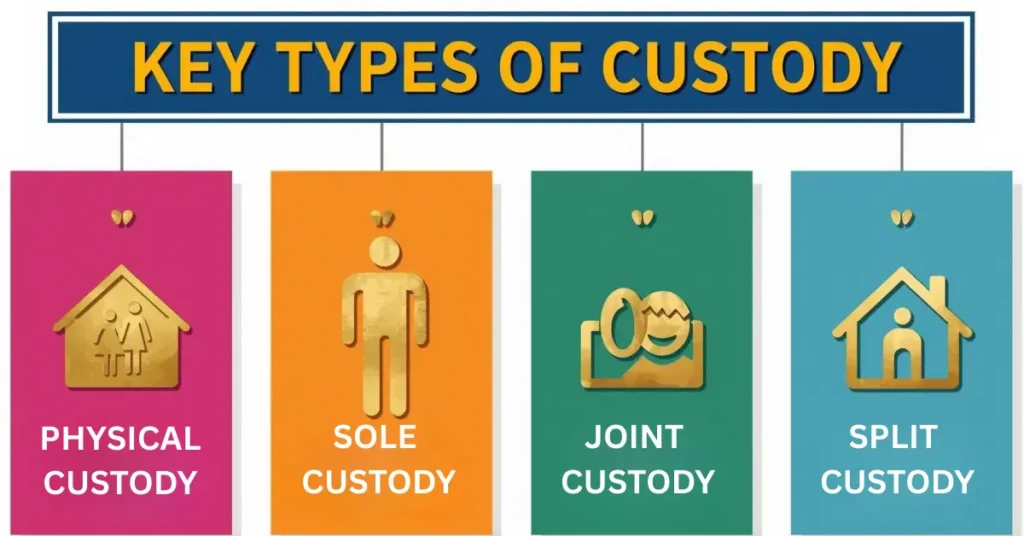
Types of Custody and Key Differences
There are various types of custody arrangements, and it’s essential to understand how primary custody fits within this framework.
- Primary Physical Custody
The child lives with one parent, but the non-custodial parent may have visitation rights.
- Sole Custody
One parent has both legal and physical custody. The child lives full-time with this parent, and this parent makes all decisions about the child’s welfare.
Both parents share physical and legal custody. Even if one parent has primary physical custody, both parents typically share the responsibility for making significant decisions.
- Split Custody
Siblings are separated, with each parent having custody of one or more children. This arrangement is rare and usually only occurs when parents are unable to cooperate effectively, and it’s determined to be in the child’s best interest.
Best Practice Tip
When pursuing primary custody, remember that courts prioritize the best interests of the child. Demonstrating that you can provide a stable, nurturing, and safe environment is essential. This is particularly true in states that emphasize shared parenting and seek to ensure that both parents remain involved in the child’s life.
Legal Framework and the Best Interests of the Child Standard
The best interests of the child standard is the guiding principle behind custody decisions in family law. Although the best interest standard is applied in every state, there can be variations in how it is implemented. When determining primary custody, courts consider several factors:
- Stability of the Home Environment
A stable and nurturing environment is critical. Courts look at whether the parent can provide a safe and consistent routine for the child.
- Parental Fitness
This includes assessing each parent’s ability to meet the child’s basic needs. Issues such as substance abuse, mental health, or domestic violence can heavily influence custody decisions.
- Proximity to Schools and Healthcare Providers
Courts may consider which parent lives closer to the child’s school or healthcare providers, as this impacts the child’s routine and consistency.
- Child’s Preference
In some cases, particularly for older children, a court may take the child’s preference into account. This depends on the child’s age and maturity and the laws in the state.
- Co-Parenting Ability
Courts also consider the parents’ ability to work together to raise the child. Courts favor arrangements where both parents can cooperate effectively.
State Variations and 2025-2026 Legal Changes
Custody laws vary from state to state. Some states are enacting changes to promote more balanced parenting time, especially as the trend toward shared custody increases. For instance:
- Georgia will introduce new parenting time adjustments starting January 1, 2026. This change will ensure that noncustodial parents have more equal access to their children, making the custody process fairer for both parents.
- Massachusetts will update its Uniform Child Custody Jurisdiction and Enforcement Act (UCCJEA). This reform will streamline how multi-state custody cases are handled, particularly cases where parents live in different states.
Other states, including Georgia, will introduce flexible child support guidelines in 2025, considering parenting time and income changes.
Best Practice Tip
Keep yourself updated on the latest custody laws, as legal reforms could impact how primary custody is awarded. Always ensure that any changes in state laws are factored into your legal strategies.
How Courts Determine Primary Custody
Family courts weigh multiple factors when deciding on primary custody. These factors are designed to ensure that the child’s emotional, physical, and psychological needs are met:
- Custody Evaluators
Courts may appoint a custody evaluator to assess the parents’ abilities and the child’s needs. Evaluators provide a professional, objective opinion on the best custody arrangement.
- Guardian Ad Litem
A guardian ad litem is often appointed to represent the child’s best interests. They are responsible for gathering information and making recommendations to the court.
- Mediation
Many courts will require parents to participate in mediation before proceeding to trial. This allows parents to come to a mutually agreeable decision regarding custody, without the need for a prolonged legal battle.
Practical Implications and Parental Rights
For parents with primary custody, several legal responsibilities and rights come with the arrangement:
- Child Support
The noncustodial parent is typically required to pay child support. This is calculated based on both parents’ income and the custodial arrangement.
- Relocation
If the primary custodial parent plans to move out of state, they must usually seek court approval, especially if the move will affect the child’s relationship with the noncustodial parent.
- Visitation Rights
Even if one parent has primary custody, the noncustodial parent often has visitation rights. These can range from supervised visits to unsupervised visitation depending on the circumstances. In some cases, California grandparents custody and visitation laws may also come into play if grandparents seek visitation rights.
FAQs
What is the difference between primary custody and sole custody?
Primary custody refers to the parent with whom the child lives most of the time, while sole custody means one parent has both legal and physical custody, making all significant decisions for the child.
How do courts decide primary custody?
Courts use the best interests of the child standard to determine primary custody, considering factors like parental fitness, the stability of the home environment, and the child’s preference.
What are the legal rights of the primary custodial parent?
The primary custodial parent has the right to make day-to-day decisions about the child’s welfare, such as education, healthcare, and general care, but may need to collaborate with the noncustodial parent for major decisions if joint legal custody is in place.
What is the impact of primary custody on child support?
The noncustodial parent typically pays child support to the primary custodial parent to help cover the child’s expenses. The amount is based on the custodial arrangement and both parents’ incomes.
How do changes in state laws affect primary custody?
Recent legal reforms, such as those in Georgia and Massachusetts, have introduced changes to parenting time and custody laws, impacting how primary custody is determined and enforced.
Legal Summary & Guidance
Primary custody means one parent becomes the child’s main caregiver and provides the primary residence. Courts consider factors such as parental responsibility, child support obligations, co-parenting arrangements, and custody agreements before making a decision. The goal is always to protect the child’s well-being and ensure long-term stability. Knowing your rights and responsibilities can make the custody process less stressful and more manageable.