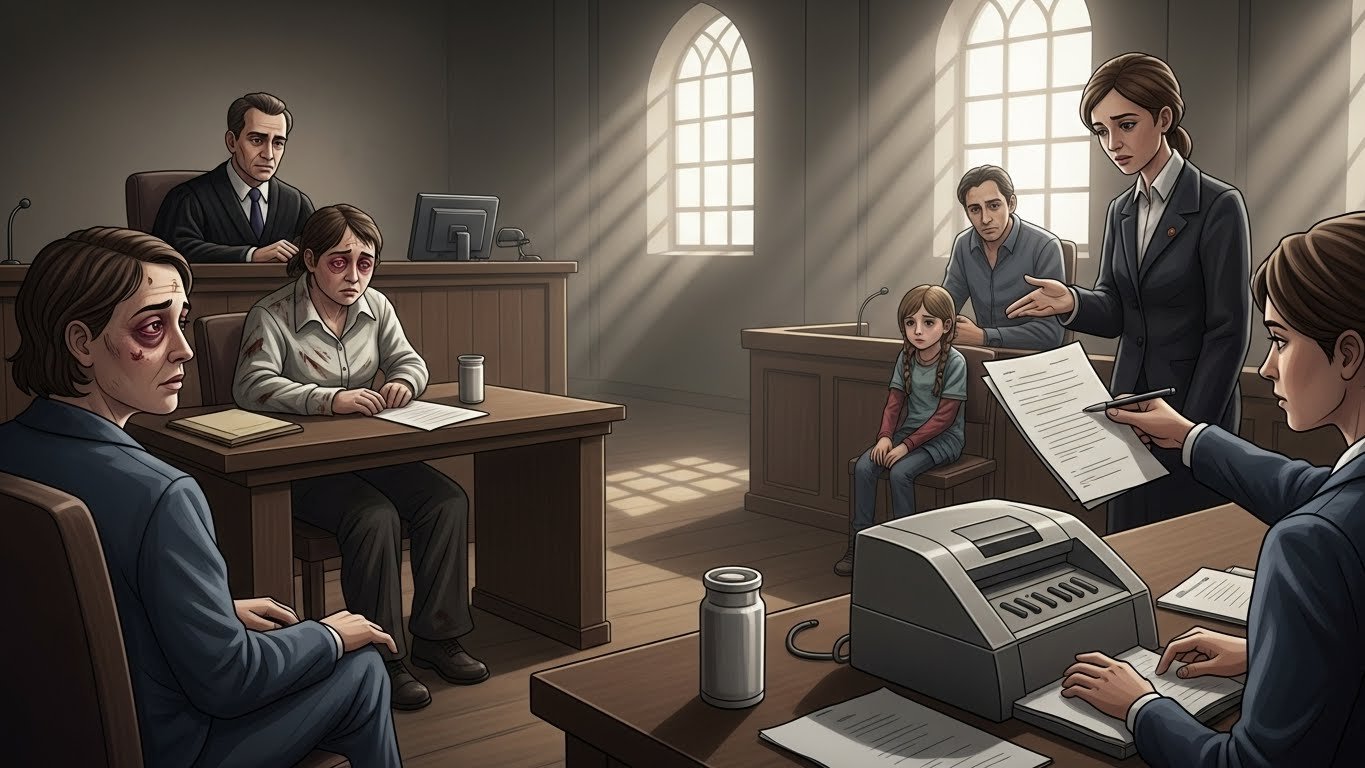
When child custody disputes reach the courtroom, judges focus on one central question: what arrangement best protects the child’s well-being? In rare but serious cases, a court may determine that a Parent is Unfit for Custody. This is not a decision courts make lightly. It can permanently change a child’s life and a parent’s legal rights.
Family courts—especially in states like New Jersey—generally believe children benefit from having both parents involved. However, when a parent cannot provide a safe, stable, or supportive environment, the court must step in to protect the child. Understanding how courts define parental unfitness, what evidence matters, and what the consequences are can help parents prepare for what lies ahead.
Table of Contents
When a Parent Is Unfit for Custody: Legal Meaning Explained
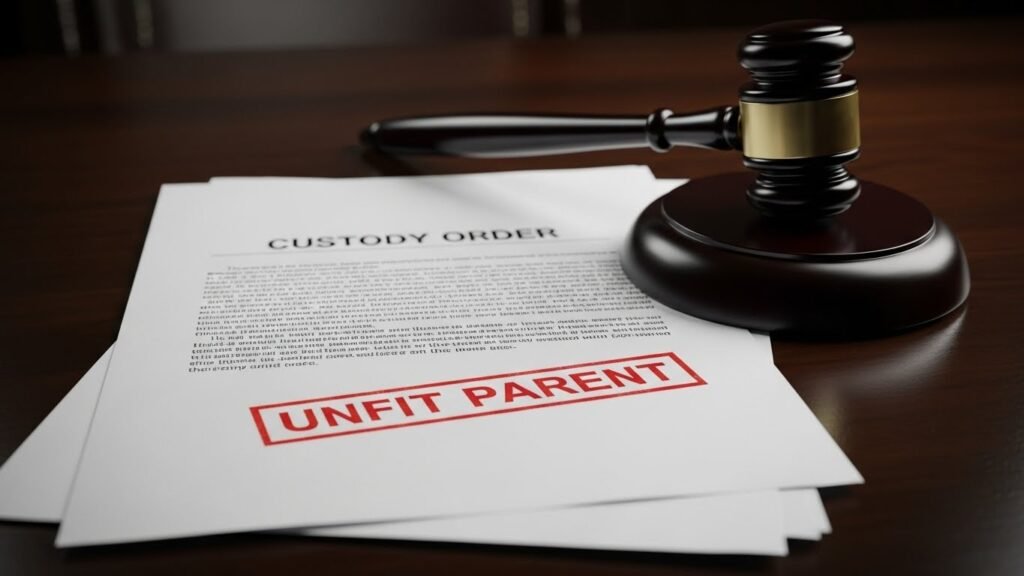
A Parent is Unfit for Custody when the court determines that the parent is unable or unwilling to meet the child’s basic physical, emotional, psychological, or developmental needs. This determination is always tied to the best interests of the child, not personal disagreements between parents.
Importantly, being “unfit” does not always mean a parent is abusive or immoral. Courts may find unfitness due to circumstances that prevent proper caregiving, even when the parent has good intentions.
Family courts look at patterns of behaviour, not isolated mistakes. One poor decision rarely leads to a finding of unfitness. Ongoing risk, neglect, or inability to provide stability is what raises serious concern.
Key Factors Courts Use to Decide Parental Unfitness
Courts evaluate many aspects of a parent’s life and behaviour before declaring them unfit. Below are the most influential factors judges commonly consider.
Abandonment or Long-Term Absence
A parent who has abandoned the child or failed to maintain consistent contact may be deemed unfit. This includes:
- Long periods without communication
- Failure to exercise visitation rights
- Lack of emotional or financial support
Courts view abandonment as a clear sign that the child’s needs are not a priority.
Abuse or Neglect
Evidence of physical, emotional, or sexual abuse is one of the strongest grounds for unfitness. Neglect—such as failing to provide food, shelter, education, or medical care—is treated just as seriously.
Even if abuse was directed at another household member, courts may still act if the child was exposed to it.
History of Domestic Violence
Domestic violence weighs heavily in custody decisions. A parent with a history of abusing a spouse or partner may be considered unfit, particularly if:
- The child witnessed the violence
- Protective orders were issued
- The behaviour shows a pattern
Courts recognise that exposure to domestic violence can cause long-term emotional harm to children.
Criminal Behaviour That Puts the Child at Risk
A criminal record alone does not automatically make a parent unfit. However, crimes involving:
- Violence
- Drugs
- Weapons
- Sexual offenses
- Child endangerment
can strongly influence a court’s decision—especially if the behaviour is ongoing.
Substance Abuse Issues
Drug or alcohol abuse becomes a factor when it interferes with parenting responsibilities. Courts may consider:
- DUI or DWI convictions
- Failed drug tests
- Rehab records
- Relapses without treatment
The key issue is whether substance use compromises the child’s safety or daily care.
Mental Health Concerns Affecting Parenting Ability
Mental illness by itself does not make a parent unfit. Courts focus on whether the condition:
- Prevents consistent caregiving
- Causes unsafe behaviour
- Remains untreated or unmanaged
Parents who actively seek treatment and maintain stability are viewed very differently from those who refuse help.
Unsafe or Inappropriate Living Conditions
Judges will closely examine the home environment. Factors include:
- Cleanliness and sanitation
- Presence of hazards or violence
- Overcrowding or instability
- Frequent changes in residence
A child must have a safe and suitable place to live.
Lack of Interest or Involvement
A parent who consistently shows disinterest—missing school events, medical appointments, or visitation—may be seen as unfit. Courts expect parents to be actively engaged in their child’s life.
Inability to Provide Proper Care
This may involve:
- Severe financial instability
- Physical limitations without support
- Emotional unavailability
Courts recognise that financial hardship alone is not unfitness, but inability to meet basic needs may be.
Work Schedules That Prevent Adequate Supervision
If a parent’s work schedule makes it impossible to supervise or care for the child—such as overnight shifts without reliable childcare—the court may factor this into its decision.
Evidence Used to Prove a Parent Is Unfit for Custody
Courts rely on admissible evidence, not accusations. Strong documentation is critical.
Common forms of evidence include:
- Expert testimony from psychologists or social workers
- Reports from child protective services
- Police and criminal records
- Medical and hospital records
- Substance abuse treatment records
- Mental health evaluations
- School and educational records
- Therapist or counselor reports
- Photographs or videos of living conditions
- Witness testimony from teachers, relatives, or neighbours
- Court-ordered parenting assessments
- Financial records showing neglect or instability
- Emails, texts, or messages showing harmful conduct
All evidence must comply with state evidence rules to be considered.
What Happens After a Court Finds a Parent Unfit

When a family court decides that a parent is unfit for custody, the ruling can immediately change how the child is cared for and who has legal authority over major decisions. This stage is often the most confusing and emotionally overwhelming for parents, which is why understanding the real-world outcomes matters.
Below is a clear, reader-focused explanation of what typically happens next and what families should realistically expect.
Immediate Changes to Custody and Living Arrangements
The first and most direct result is a change in custody. In most cases:
- The unfit parent loses physical custody of the child
- The child is placed with the other parent if they are fit and available
- If the other parent is not suitable, custody may be awarded to a grandparent, relative, or legal guardian
Courts act quickly here because stability and safety are priorities. Temporary custody orders can become permanent if the unfit parent does not show improvement.
Restrictions or Loss of Visitation Rights
Being found unfit does not always mean a parent will never see their child again, but visitation is often limited.
Possible outcomes include:
- Supervised visitation, where visits occur under professional or court-approved supervision
- Reduced visitation schedules
- Temporary suspension of visitation if the child is at risk
If the court believes contact could cause emotional or physical harm, visitation may be denied altogether.
Loss of Legal Decision-Making Authority
When a parent is unfit for custody, the court may also remove their right to make major decisions, including:
- Education choices
- Medical treatment
- Religious upbringing
- Mental health care
This authority is usually given to the custodial parent or guardian to avoid conflict and protect the child’s best interests.
Court-Ordered Requirements for the Unfit Parent
In many cases, the court provides a path for possible improvement. The unfit parent may be ordered to:
- Complete parenting classes
- Attend substance abuse treatment
- Participate in counselling or therapy
- Undergo psychological evaluations
- Maintain stable housing and employment
- Comply with drug or alcohol testing
These requirements are not symbolic. Courts track compliance closely, and failure to follow orders can lead to further loss of rights.
Impact on Other Children in the Household
A critical concern many parents search for is whether this ruling affects other children. The answer is yes, it can.
If a court finds a pattern of neglect or danger, it may:
- Reevaluate custody of siblings
- Open child protective investigations
- Apply similar restrictions across multiple cases
Courts do not need to wait for harm to occur again if the risk is already established.
Possibility of Termination of Parental Rights
In the most severe cases, a finding that a parent is unfit for custody can lead to termination of parental rights. This means:
- The legal parent-child relationship ends
- The parent loses all custody and visitation rights
- The child may become eligible for adoption
Termination usually occurs only after repeated failures, serious abuse, or long-term inability to provide safe care.
Can a Parent Regain Custody After Being Found Unfit?
This is one of the most searched and important questions. The answer is sometimes, but it is difficult.
To even be reconsidered, a parent must show:
- Consistent and long-term improvement
- Full compliance with court orders
- Proof that the child would be safe and stable in their care
The burden of proof is entirely on the parent. Courts prioritise the child’s stability over second chances.
Emotional and Long-Term Effects on the Child
Courts also consider the emotional impact of unfitness findings. Judges aim to:
- Reduce disruption to the child’s routine
- Maintain safe family connections when possible
- Ensure access to counselling or support services
The goal is not punishment—it is protection and long-term well-being.
Why Legal Guidance Becomes Critical at This Stage
Once a court rules that a parent is unfit for custody, every decision carries long-term consequences. Legal procedures become stricter, timelines shorter, and standards higher.
An experienced family law attorney can:
- Explain realistic options
- Help meet court requirements
- Advocate for safe reunification when appropriate
- Protect the child’s legal and emotional interests
Can a Parent Regain Custody After Being Declared Unfit?
In limited cases, yes—but only if the parent can prove meaningful change. Courts may consider:
- Completion of treatment or counseling
- Long-term sobriety
- Stable housing and employment
- Consistent compliance with court orders
The burden of proof is high, and the child’s best interests always come first.
Why Legal Guidance Matters in Unfitness Cases
Cases involving claims that a Parent is Unfit for Custody are among the most complex in family law. The legal standards are strict, and the emotional stakes are high.
An experienced family law attorney can:
- Help gather and present admissible evidence
- Protect parental rights
- Navigate evaluations and court procedures
- Advocate for the child’s safety and stability
Acting early can make a significant difference in the outcome.
Further Readings You May Need
Wrap Up
Courts do not label parents unfit lightly. The decision is based on evidence, patterns of behaviour, and one guiding principle: the child’s best interests. Understanding how courts evaluate unfitness helps parents make informed, responsible choices—and prepares them for what to expect if custody becomes contested.
If you are facing a situation where a parent’s fitness is in question, informed legal action—not delay—is often the most responsible step forward.